

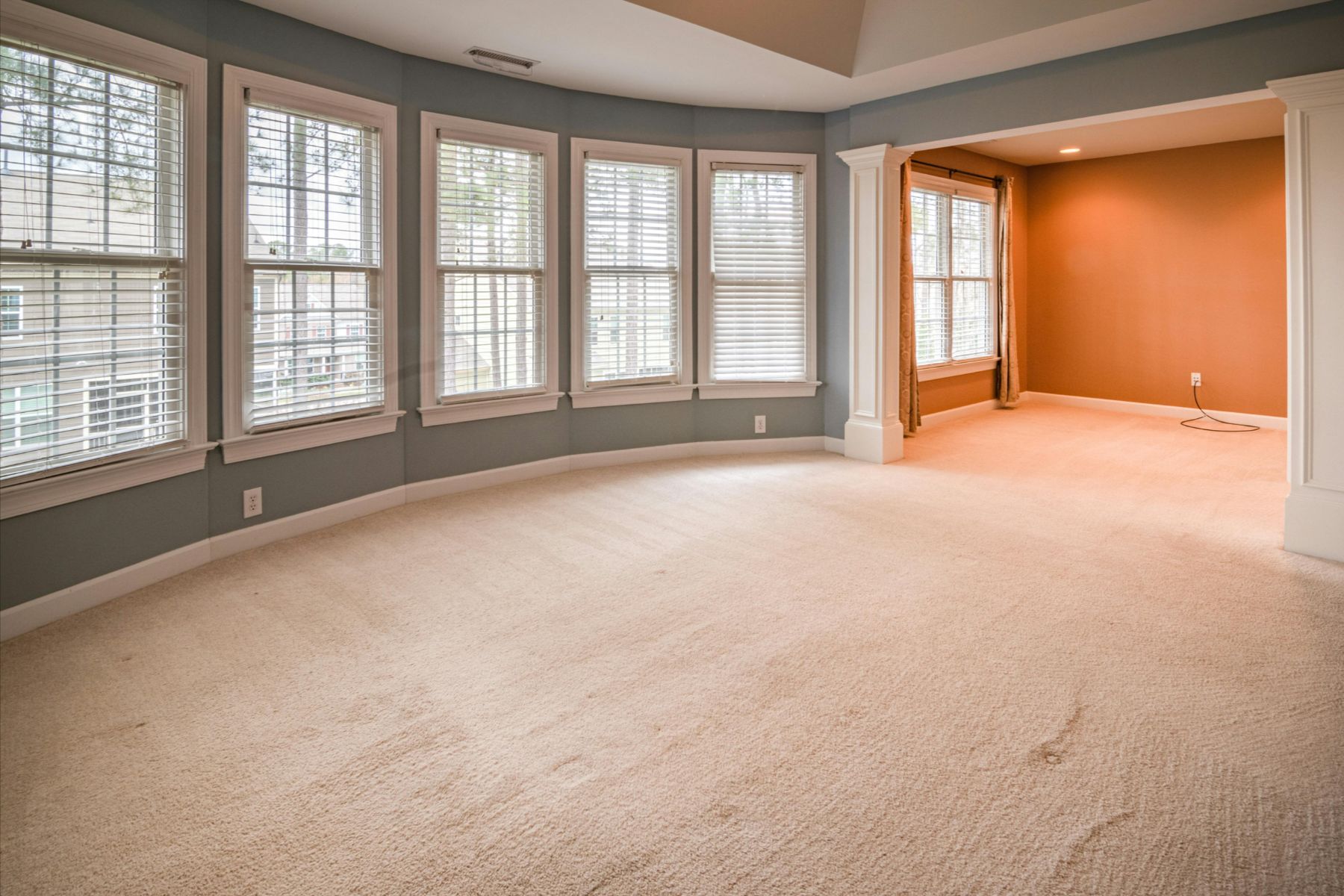
Your carpet represents more than a flooring choice—it's an investment in daily comfort, home aesthetics, and family wellbeing. Proper care ensures that investment delivers maximum returns, maintaining appearance and performance throughout your carpet's lifespan. At Lavy's Flooring in Zanesville, OH, we believe that informed homeowners make the best decisions about both carpet selection and ongoing maintenance. Understanding how to care for your carpet properly can double its lifespan and keep your home looking beautiful year after year.
Understanding What Your Carpet Endures
Before diving into care techniques, it's worth considering the remarkable demands we place on our carpets. The average household generates several pounds of dirt, dust, and debris weekly, much of which finds its way into carpet fibers. Each family member tracks soil from outdoors, pets contribute hair and dander, and everyday living generates crumbs, spills, and countless other particles.
Beyond visible soil, carpets accumulate microscopic contaminants including dust mites, pollen, bacteria, and pollutants. While this might sound alarming, it actually represents one of carpet's benefits—it traps these particles rather than allowing them to circulate in the air we breathe. However, regular cleaning is essential to remove accumulated contaminants and maintain indoor air quality.
Foot traffic compresses carpet fibers over time, and this compression accelerates when dirt particles act as abrasives grinding against fibers with each step. High-traffic areas like hallways, stairs, and entries endure particularly intense wear. Understanding this wear pattern helps focus maintenance efforts where they matter most.
The Foundation: Proper Vacuuming Technique
Vacuuming remains the single most important carpet maintenance activity, yet many homeowners vacuum ineffectively. Proper vacuuming technique removes surface dirt before it works deep into carpet fibers where damage occurs. Investing time in effective vacuuming dramatically extends carpet life and appearance.
Frequency matters more than most people realize. High-traffic areas benefit from daily vacuuming, while moderate-traffic areas need attention at least twice weekly. Low-traffic rooms can manage with weekly vacuuming. Households with pets or allergy sufferers should increase frequency throughout the home.
Slow, deliberate passes extract more soil than rapid movements. Each pass should overlap previous passes to ensure complete coverage. Areas directly in front of furniture and along walls often receive less foot traffic but accumulate dust and debris that deserves attention.
Vacuum cleaner quality significantly impacts cleaning effectiveness. Look for machines with strong suction, effective filtration systems, and appropriate attachments for edge cleaning and upholstery. Bagless vacuums require regular canister emptying, while bagged models need timely bag replacement—a full bag reduces suction and cleaning effectiveness.
Height adjustment ensures optimal cleaning for your specific carpet type. The vacuum head should lightly contact carpet fibers without being difficult to push. Too high settings miss embedded dirt, while too low settings can damage both carpet and vacuum.
Spot Cleaning: The Art of Stain Removal
Despite our best efforts, spills happen. Quick, correct response determines whether accidents become permanent stains or barely remembered incidents. Every household should maintain a carpet cleaning kit with appropriate supplies readily accessible.
The golden rule of spot cleaning: blot, never rub. Rubbing spreads stains, damages fibers, and can permanently alter carpet texture. Instead, blot from the outer edges toward the center, preventing the stain from spreading. Use clean white cloths or paper towels to avoid color transfer from cleaning materials.
Begin with the mildest cleaning solution that might work—often plain cold water. If water alone doesn't lift the stain, progress to a mixture of water and a small amount of clear dish soap. Commercial carpet cleaners serve as a last resort; always test them in an inconspicuous area first to ensure they won't damage colors or fibers.
Different stains require different approaches. Protein-based stains like blood, milk, and egg respond best to cold water—hot water can set these stains permanently. Oil-based stains may need dry-cleaning solvent applied carefully according to product directions. Ink, wine, and other challenging stains often benefit from specific treatment products designed for those particular substances.
After treating any stain, rinse the area with clean water to remove cleaning product residue, then blot dry thoroughly. Remaining moisture can attract new soil, create mildew, or damage carpet backing. Place a dry towel over the area with a weight on top to absorb remaining moisture from deep in the fibers.
Professional Deep Cleaning
Regular vacuuming removes surface soil, but deep-seated dirt, allergens, and contaminants require professional extraction. Most carpet manufacturers recommend professional cleaning every 12-18 months, with more frequent service for households with pets, children, or heavy traffic.
Hot water extraction, often called steam cleaning, remains the gold standard for deep carpet cleaning. This method injects hot water and cleaning solution deep into carpet fibers, then extracts the moisture along with dissolved soil and contaminants. When performed properly, this process removes embedded dirt that vacuuming cannot reach.
Proper drying after professional cleaning prevents mildew growth and residue attraction. Open windows, use fans, and avoid walking on damp carpet until thoroughly dry—typically 6-12 hours depending on conditions. Professional cleaners can accelerate drying with commercial air movers.
Choosing a reputable professional cleaning service requires research. Look for certified technicians, positive reviews, transparent pricing, and satisfaction guarantees. Beware of extremely low prices that often indicate inadequate equipment, improper technique, or hidden charges for necessary services.
Preventive Strategies
The most effective carpet care happens before dirt ever reaches your flooring. Implementing preventive strategies significantly reduces cleaning needs while extending carpet life.
Quality entry mats capture soil at the door before it spreads throughout your home. Place mats both outside and inside each entrance. Choose mats with coarse textures that effectively scrape dirt from shoes. Clean or replace mats regularly—dirty mats cannot capture additional soil effectively.
A no-shoes policy dramatically reduces soil introduction. Studies suggest that 85% of dirt in homes enters on shoes. Providing a shoe storage area near entries encourages compliance with this carpet-saving practice.
Regular furniture rotation prevents concentrated wear patterns from permanent furniture placement. Even small shifts in furniture position distribute traffic across different carpet areas, equalizing wear. Consider furniture coasters to prevent compression and indentation from heavy pieces.
Keep pets groomed to minimize shedding and dander accumulation. Regular brushing captures loose hair before it reaches carpet fibers. Wipe pets' paws after outdoor excursions to prevent mud and debris tracking.
Addressing Common Carpet Challenges
Pet accidents require immediate attention to prevent permanent staining and odor. Blot up as much liquid as possible immediately. Apply enzymatic cleaner specifically designed for pet urine—standard cleaners may mask odor without eliminating the bacteria that cause it. Severe or repeated accidents may require professional treatment or even padding replacement beneath the carpet.
Crushing and matting occur naturally in high-traffic areas but can be minimized with proper care. Regular vacuuming helps fibers stand upright. Some crushing can be restored by placing ice cubes on affected areas, allowing them to melt, then gently fluffing fibers with a fork or brush.
Static electricity increases during dry winter months. Maintaining indoor humidity between 30-50% reduces static. Anti-static treatments can be applied as needed, and some carpets feature anti-static fibers that minimize this issue.
Fading from sunlight exposure diminishes carpet color over time. Window treatments that filter UV rays protect carpet and furnishings. Rotating area rugs and furniture periodically equalizes any fading that occurs.
Knowing When Replacement Becomes Necessary
Even with excellent care, carpets eventually reach the end of their serviceable life. Recognizing when maintenance no longer achieves satisfactory results helps homeowners plan appropriately for replacement.
Matting and crushing that cannot be restored through cleaning indicates fiber breakdown. When fibers no longer bounce back after foot traffic or cleaning, the carpet's structural integrity has declined beyond repair.
Persistent odors despite professional cleaning suggest contamination that has penetrated carpet backing or padding. This commonly occurs after flooding, repeated pet accidents, or long-term moisture exposure. Replacement becomes the only solution for truly eliminating embedded odors.
Significant wear patterns, fraying seams, or visible backing indicate that replacement will soon be necessary. While some repairs can extend carpet life temporarily, extensive damage typically warrants full replacement.
Indoor air quality concerns can motivate replacement even when carpet appears acceptable. Old carpet may harbor allergens, dust mites, and contaminants that affect sensitive household members despite regular cleaning.
Carpet Care Products and Tools
Maintaining an effective carpet care arsenal ensures readiness for both routine maintenance and emergency situations. Quality tools and appropriate products make carpet care more effective and efficient.
Invest in a quality vacuum appropriate for your carpet type and household needs. Features like HEPA filtration benefit allergy sufferers, while models designed for pet hair assist households with furry family members. Professional-grade vacuums represent significant investments but deliver superior performance and durability.
Keep approved spot cleaning solutions on hand for immediate stain response. Check your carpet warranty for approved products—using incorrect cleaners can void warranties. A white cloth collection for blotting prevents color transfer during spot treatment.
Carpet rakes help restore crushed fibers and lift matted areas between professional cleanings. These simple tools can refresh carpet appearance, particularly in high-traffic areas.
The flooring professionals at Lavy's Flooring in Zanesville, OH, understand that proper care protects your carpet investment. We help customers select carpets appropriate for their lifestyle and maintenance preferences, ensuring that daily care requirements match realistic expectations. Our team provides guidance on care techniques, product recommendations, and professional cleaning schedules that maximize carpet beauty and longevity. Visit our showroom to explore carpet options designed for durability and easy maintenance, backed by our expertise in helping Zanesville-area families keep their floors beautiful for years to come.


