

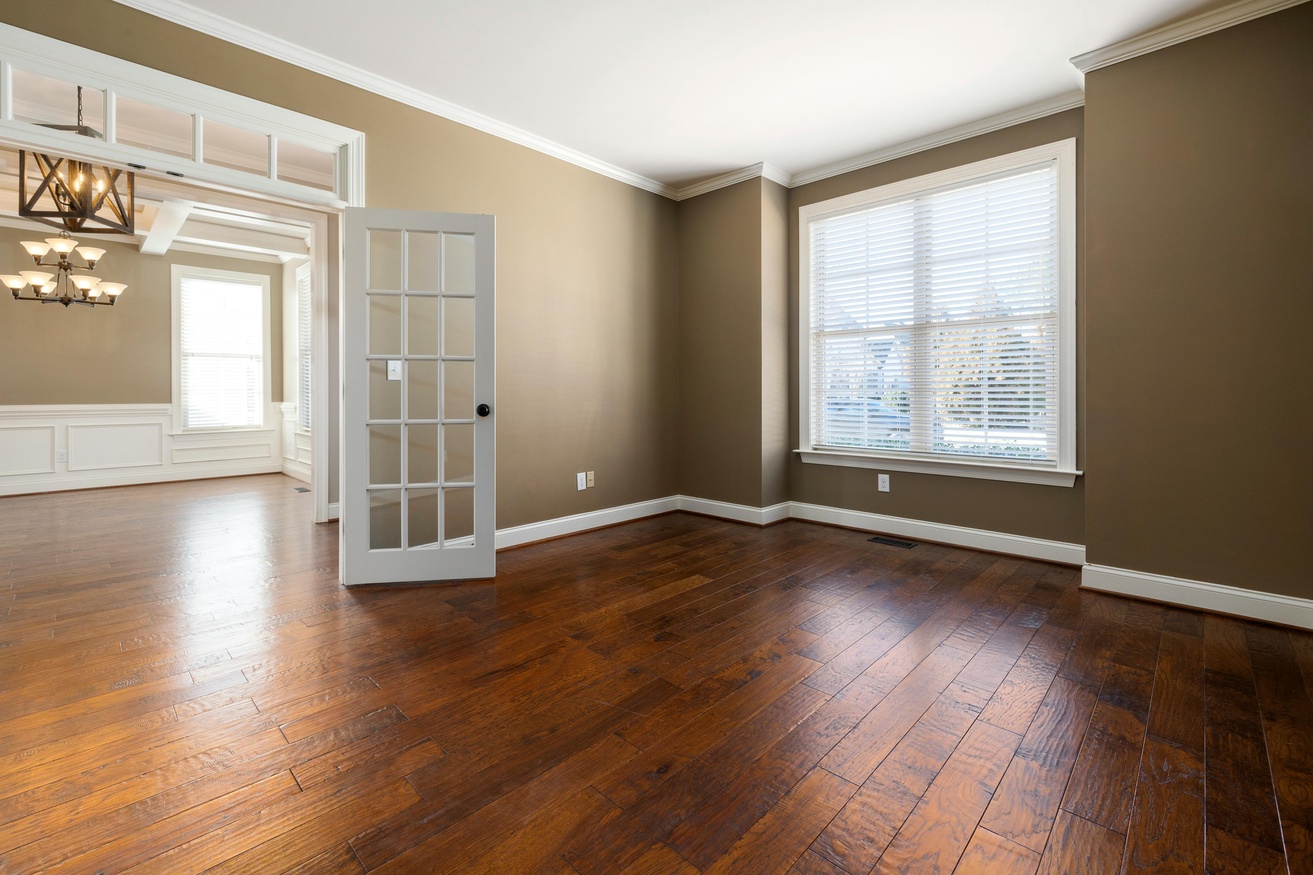
Living in Ohio means experiencing dramatic seasonal shifts that challenge everything from our wardrobes to our home maintenance routines. Our floors bear the brunt of these seasonal variations, enduring tracked-in snow, humidity fluctuations, salt damage, pollen infiltration, and much more throughout the year. At Lavy's Flooring in Zanesville, we've spent years helping homeowners protect their flooring investments through proper seasonal care, and we're sharing our comprehensive guide to keeping your floors beautiful regardless of what weather awaits outside.
Understanding how different seasons affect various flooring types empowers you to take proactive steps that prevent damage rather than reacting to problems after they occur. Whether your home features hardwood, carpet, luxury vinyl, tile, or a combination, seasonal awareness keeps your floors looking their best and lasting their longest.
Winter Warriors: Combating Cold Weather Challenges
Ohio winters attack floors from multiple directions. Salt and chemical deicers tracked in from sidewalks and driveways cause discoloration and damage. Snow and slush introduce moisture that threatens wood and creates slip hazards. Dramatic humidity drops as heating systems run continuously cause wood to contract and crack. Even the simple act of wearing winter boots indoors grinds grit into flooring surfaces.
Establishing effective entryway defense systems provides your first line of protection. Place durable, absorbent mats both outside and inside every entry door. Exterior mats capture the bulk of snow and debris before feet even reach your threshold. Interior mats absorb residual moisture and trap remaining particles. Choose mats with rubber backing to prevent slip hazards and ensure they're large enough that normal foot traffic lands fully on the mat surface.
Creating designated areas for removing and storing wet footwear prevents moisture from traveling deeper into your home. Boot trays with raised edges contain melting snow. Shoe racks keep wet shoes elevated and airing out rather than pooling moisture onto floors. Encouraging household members and guests to remove outdoor footwear at entries dramatically reduces the contamination that reaches your main living areas.
For hardwood floors specifically, winter humidity management proves critical. Heated indoor air typically runs much drier than wood prefers, causing shrinkage that manifests as gaps between boards, cracking, and even cupping. Maintaining indoor humidity between 35% and 55% protects wood while remaining comfortable for inhabitants. Whole-house humidifiers integrated with HVAC systems provide the most consistent results, though portable units can supplement in problem areas.
Salt residue requires prompt attention regardless of flooring type. On hard surfaces, mix a gallon of warm water with one cup of white vinegar to create a solution that dissolves salt without damaging finishes. Mop with this solution, then follow with a clean water rinse to prevent residue buildup. For carpet, vacuum thoroughly once the tracked-in material dries, then spot-treat any remaining white marks with the same vinegar solution applied with a spray bottle and blotted—never rubbed.
Spring Renewal: Recovering from Winter and Preparing for Summer
Spring signals transition time for floors. As you pack away winter gear and open windows to welcome fresh air, your floors need attention to recover from winter stresses and prepare for coming challenges.
Deep cleaning serves as spring's first priority. Winter accumulates a surprising amount of soil even in well-maintained homes. Professional carpet cleaning removes embedded salt residue, ground-in grit, and allergens that accumulated during closed-up months. Hard surface floors benefit from thorough cleaning with appropriate products followed by reapplication of protective treatments where applicable.
Hardwood floors may reveal gaps that opened during dry winter months. Don't panic—these often close naturally as humidity rises with warmer weather. Resist the temptation to fill small gaps, as filler materials will be pushed out when wood expands. However, if significant gaps persist through spring, consult professionals about potential humidity control or repair needs.
Inspect all floors carefully for winter damage. Look for discoloration from salt exposure, scratches from grit abrasion, water spots near entries, and any loose planks, tiles, or carpet seams that need attention. Addressing problems early prevents them from worsening during the busy months ahead.
Pollen infiltration presents spring's unique challenge. Ohio's springs bring abundant tree and flower pollen that coats everything, including indoor floors when windows open. Establishing a more frequent vacuuming schedule helps control pollen accumulation. Homes with allergy sufferers especially benefit from vacuum cleaners equipped with HEPA filtration systems that trap microscopic particles rather than recirculating them into the air.
Spring also presents an ideal opportunity to refresh protective measures. Reapply felt pads to furniture legs, inspect area rugs for wear, and consider rearranging furniture slightly to prevent uneven fading or wear patterns that may have developed over winter.
Summer Survival: Managing Heat and Humidity
Summer brings its own set of flooring concerns. High humidity levels, increased foot traffic from children home from school, frequent entertaining, and exposure to outdoor activities all challenge flooring surfaces in different ways.
Humidity control remains important during summer, particularly for hardwood flooring. While winter's dry air causes shrinkage, excessive summer humidity can lead to expansion, cupping, and warping. Air conditioning naturally helps regulate indoor humidity, but supplemental dehumidifiers may be necessary during particularly muggy periods. Consistency matters more than perfection—avoiding dramatic swings protects flooring best.
Increased outdoor activity means more dirt, sand, grass clippings, and debris entering homes. Sand proves especially problematic because its abrasive nature can scratch hard surface flooring and wear carpet fibers prematurely. Frequent sweeping and vacuuming during summer prevent these particles from causing cumulative damage.
Sunlight exposure reaches peak intensity during summer months. Direct sunlight can fade carpet, discolor hardwood, and affect certain luxury vinyl products over time. Window treatments such as blinds, curtains, UV-filtering films, or strategically placed area rugs help minimize sun damage. Rotating rugs and occasionally rearranging furniture promotes more even aging across flooring surfaces.
Summer entertaining often means food and beverage spills. Prompt cleanup prevents staining and moisture damage. Keep manufacturer-approved cleaning products readily available and educate family members about proper spill response. Quick action consistently yields better outcomes than intensive cleaning after stains have set.
Autumn Preparation: Getting Ready for Winter Again
Autumn offers a valuable window for preventive maintenance before winter returns. The moderate weather and reduced humidity fluctuations create ideal conditions for inspections, repairs, and preparation.
Start with a comprehensive flooring assessment. Identify any issues that developed during summer and address them before winter conditions magnify existing problems. Loose boards, cracked grout, worn carpet seams, and damaged transition strips deserve attention now rather than during holiday gatherings or winter weather emergencies.
Refinishing hardwood floors often works best during fall. Moderate humidity levels allow finishes to cure properly, and completing projects before holiday entertaining season ensures floors look their best when guests arrive.
Replace worn entry mats and evaluate your winter protection strategy. Entry systems that worked effectively last winter may need upgrading if family size, pet ownership, or lifestyle changes have increased demands. Investing in quality mats costs far less than repairing flooring damage.
Autumn cleaning should include moving furniture to clean previously inaccessible areas. Dust, pet hair, and debris accumulate beneath furniture throughout the year. Thorough cleaning before windows close and heating systems activate improves indoor air quality and reduces contaminants that can affect flooring surfaces.
Flooring-Specific Seasonal Care Tips
Different flooring materials respond uniquely to seasonal changes, making material-specific care essential.
Hardwood Flooring
Hardwood remains most sensitive to humidity fluctuations. Monitor indoor humidity year-round and strive for consistency. Clean spills immediately, avoid excessive water during cleaning, and use products specifically designed for wood floors. Seasonal expansion and contraction are normal, but extreme changes signal humidity management issues that deserve attention.
Luxury Vinyl Plank and Tile
Luxury vinyl offers exceptional resistance to seasonal challenges but still benefits from proper care. Sweep frequently to remove abrasive particles, clean spills promptly, and use furniture protectors to prevent indentation. While moisture resistance makes LVP ideal for Ohio's climate, standing water should still be removed promptly to protect seams and subfloors.
Carpet
Carpet acts as a filter, trapping seasonal contaminants from pollen to road salt. Regular vacuuming becomes especially important during transitional seasons. Professional cleaning once or twice annually removes deeply embedded soils that routine vacuuming cannot reach. Prompt stain treatment and humidity management help prevent mold and mildew concerns.
Tile and Stone
Tile handles seasonal changes exceptionally well, but grout requires attention. Inspect grout lines regularly for cracking or deterioration, particularly after winter freeze-thaw cycles affect foundations. Resealing grout periodically protects against staining and moisture infiltration.
The Value of Preventive Maintenance
Many flooring problems develop gradually, making them easy to overlook until repairs become costly. Seasonal care routines transform maintenance from a reactive burden into a proactive strategy that extends flooring life significantly.
The financial benefits prove substantial. Hardwood refinishing costs far less than replacement. Professional carpet cleaning extends useful life by years. Simple humidity control prevents damage that can require extensive repairs. Every hour spent on preventive maintenance potentially saves hundreds or even thousands of dollars in future replacement costs.
Beyond financial considerations, well-maintained floors contribute to healthier indoor environments. Clean flooring reduces allergens, improves air quality, and creates more comfortable living spaces for families and guests alike.
Partnering with Flooring Professionals
While homeowners can handle much seasonal floor care themselves, professional support provides additional protection. Annual inspections identify emerging issues before they become major problems. Professional cleaning reaches deeper than consumer equipment. Expert guidance helps homeowners adapt maintenance routines to changing conditions and specific flooring products.
At Lavy's Flooring in Zanesville, Ohio, we're committed to helping homeowners maximize the beauty, performance, and longevity of their flooring investments. Our team understands the unique challenges Ohio's climate presents and can recommend tailored maintenance strategies for your specific flooring types and lifestyle needs. Whether you're installing new floors, maintaining existing ones, or addressing seasonal concerns, we're here to help ensure your floors remain beautiful through every season for years to come.


