

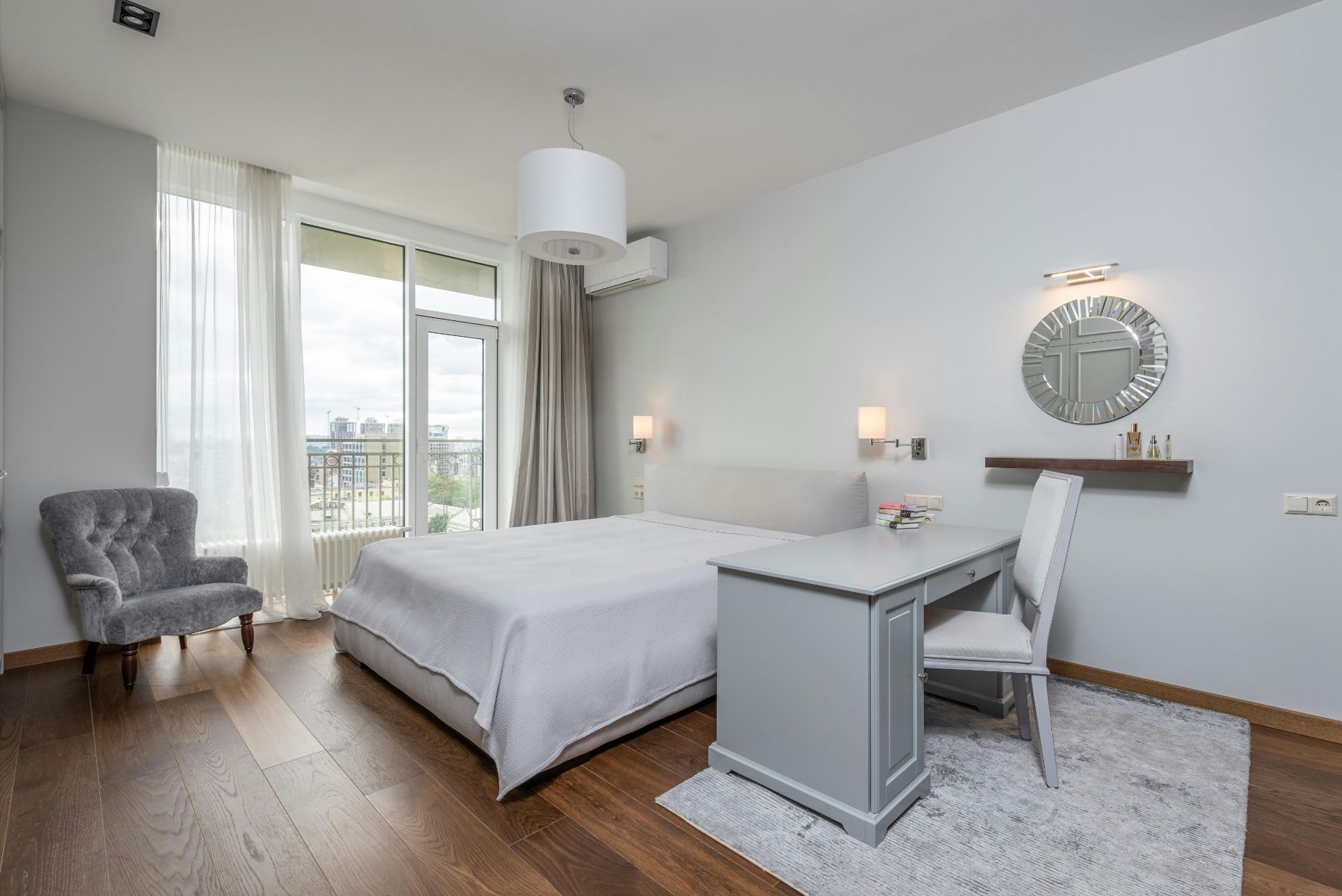
The flooring beneath our feet does more than simply provide a surface to walk on—it sets the tone for our entire living space, influences our home's value, and impacts our daily comfort. For residents of Zanesville, OH, and beyond, the choice between hardwood, laminate, and vinyl flooring represents one of the most significant decisions in any home improvement project. Each option brings its own constellation of benefits, considerations, and aesthetic possibilities. At Lavy's Flooring, we help homeowners navigate these choices every day, and we've learned that informed decisions lead to satisfied customers.
The Timeless Appeal of Hardwood Flooring
Nothing quite matches the warmth and authenticity of genuine hardwood flooring. For centuries, homeowners have prized wood floors for their natural beauty, durability, and the way they improve with age. Unlike other flooring options, hardwood develops character over time, with slight wear patterns and patina adding to its charm rather than detracting from its appearance.
Solid hardwood flooring, milled from single pieces of wood, offers unmatched authenticity and longevity. With proper care, solid hardwood floors can last a century or more, and they can be sanded and refinished multiple times to remove scratches, update colors, or simply refresh their appearance. Oak, maple, hickory, and walnut remain popular choices, each offering distinct grain patterns and color variations that bring natural beauty indoors.
Engineered hardwood provides another option for wood enthusiasts. Constructed with a real wood veneer atop multiple layers of plywood or high-density fiberboard, engineered wood offers greater stability than solid hardwood. This construction makes it suitable for installation over concrete slabs and in areas with higher humidity fluctuations, such as basements or kitchens. While engineered wood can typically be refinished once or twice, its stability advantages make it an excellent choice for challenging environments.
The investment in hardwood flooring often returns dividends when selling a home. Real estate professionals consistently report that hardwood floors rank among the most desirable features for homebuyers, often commanding higher sale prices and faster sales. For homeowners viewing flooring as a long-term investment, hardwood frequently proves its value.
Laminate Flooring: Technology Meets Practicality
Laminate flooring has evolved dramatically since its introduction, now offering stunning realistic visuals that can fool even discerning eyes. Modern laminate uses high-resolution photographic imaging to replicate the appearance of hardwood, stone, and other materials, protected by a durable wear layer that resists scratches, fading, and stains.
The construction of laminate flooring contributes to its impressive performance characteristics. A dense fiberboard core provides stability and impact resistance, while the bottom layer protects against moisture and balances the structure. The photographic design layer sits beneath a clear protective coating that takes the brunt of daily wear.
Installation simplicity stands among laminate's greatest advantages. Most laminate products feature click-lock systems that snap together without glue or nails, making them ideal for confident DIY installers. The floating installation method also allows the floor to expand and contract with temperature and humidity changes without buckling or gapping.
For budget-conscious homeowners who desire the look of hardwood without the higher price tag, laminate delivers remarkable value. Quality laminate floors can convincingly mimic exotic wood species that would be prohibitively expensive in genuine form. Wide plank designs, hand-scraped textures, and varied board widths create visual interest that rivals natural materials.
Durability testing has shown that quality laminate withstands heavy traffic, resists scratching from pets' nails, and maintains its appearance even under challenging conditions. Families with active children and multiple pets often find laminate provides the perfect balance of aesthetics and practicality.
Vinyl Flooring: The Versatile Performer
Luxury vinyl flooring has experienced explosive growth in recent years, and for good reason. Modern vinyl products offer waterproof performance, comfortable underfoot cushioning, and remarkably realistic appearances—all at accessible price points. This combination has made vinyl the fastest-growing flooring category in the industry.
Luxury vinyl plank (LVP) flooring replicates the look of hardwood with impressive accuracy. Individual planks feature realistic grain patterns, authentic color variations, and embossed textures that align with the visual design. From a standing height, quality LVP can be virtually indistinguishable from real wood, yet it offers performance characteristics that hardwood simply cannot match.
Luxury vinyl tile (LVT) similarly replicates stone and ceramic tile appearances without the cold, hard surface or complex installation requirements of genuine tile. For kitchens, bathrooms, and entryways where water exposure is common, LVT provides the aesthetic appeal of natural stone with complete moisture resistance.
The waterproof nature of vinyl flooring makes it suitable for any room in the home, including basements, bathrooms, and kitchens where other flooring types might struggle. Unlike hardwood, which can warp and damage with water exposure, vinyl remains unaffected by spills, splashes, and even flooding.
Comfort underfoot represents another vinyl advantage. The inherent resilience of vinyl, often enhanced by attached underlayment, provides cushioning that reduces fatigue during extended standing. This characteristic makes vinyl particularly popular in kitchens where meal preparation keeps homeowners on their feet for hours.
Sound absorption distinguishes vinyl from harder flooring surfaces. Footsteps, dropped items, and general household noise remain muted compared to hardwood or laminate. For multi-story homes or households with light sleepers, this acoustic advantage proves significant.
Making the Comparison
When evaluating these three flooring options, several factors deserve consideration. Budget often drives initial decisions, with vinyl typically offering the lowest entry point, laminate falling in the middle, and hardwood commanding premium prices. However, the cost analysis should extend beyond purchase price to consider installation expenses, expected lifespan, and maintenance requirements.
Durability varies across categories but not always in expected ways. Quality laminate can outperform some hardwood species in scratch resistance and UV stability. Vinyl withstands moisture that would destroy both hardwood and laminate. Hardwood, when properly maintained, can outlast multiple generations of synthetic alternatives.
Aesthetic preferences play crucial roles in flooring selection. Some homeowners simply cannot accept anything less than genuine hardwood's authenticity. Others appreciate the design flexibility that vinyl and laminate provide, including patterns and styles not available in natural materials. Neither preference is wrong—only different.
Environmental considerations increasingly influence flooring decisions. Hardwood, when sourced from responsibly managed forests, represents a renewable resource that stores carbon throughout its lifespan. Many laminate and vinyl products now incorporate recycled content and meet strict emissions standards. Understanding the environmental impact of your flooring choice aligns with many homeowners' values.
Room-Specific Recommendations
Entryways and mudrooms demand flooring that can withstand moisture, dirt, and heavy traffic. Vinyl excels in these applications, offering waterproof performance and easy cleaning. Laminate with enhanced water resistance also performs well, while hardwood requires more vigilant maintenance to prevent damage.
Kitchens present the classic flooring dilemma. Water exposure from cooking, dishwashers, and inevitable spills creates challenges for hardwood. Many homeowners opt for vinyl in kitchens, enjoying its waterproof nature and comfortable standing surface. Those committed to hardwood continuity throughout main living areas should consider engineered wood with enhanced finish protection.
Living rooms and dining rooms accommodate any flooring type successfully. Here, aesthetic preferences and budget typically drive decisions. Hardwood creates classic elegance, laminate provides value and durability, and vinyl offers design flexibility with practical advantages.
Bedrooms prioritize comfort and warmth. While carpet remains popular in bedrooms, hard-surface flooring fans often choose hardwood or vinyl for its clean appearance and ease of maintenance. Area rugs can add warmth and softness where desired.
Basements require careful flooring selection due to moisture concerns and temperature fluctuations. Vinyl's waterproof construction and stability make it the safest choice for below-grade installations. Engineered hardwood can work well with proper moisture barriers, while laminate requires caution due to its fiberboard core's moisture sensitivity.
The flooring experts at Lavy's Flooring in Zanesville, OH, understand that choosing between hardwood, laminate, and vinyl involves balancing multiple factors unique to your situation. Our showroom displays extensive options across all categories, allowing you to compare materials side by side, feel the textures, and envision how each might look in your home. We provide honest guidance based on your specific needs, budget, and preferences, ensuring that your flooring investment delivers satisfaction for years to come.


